CubeSat
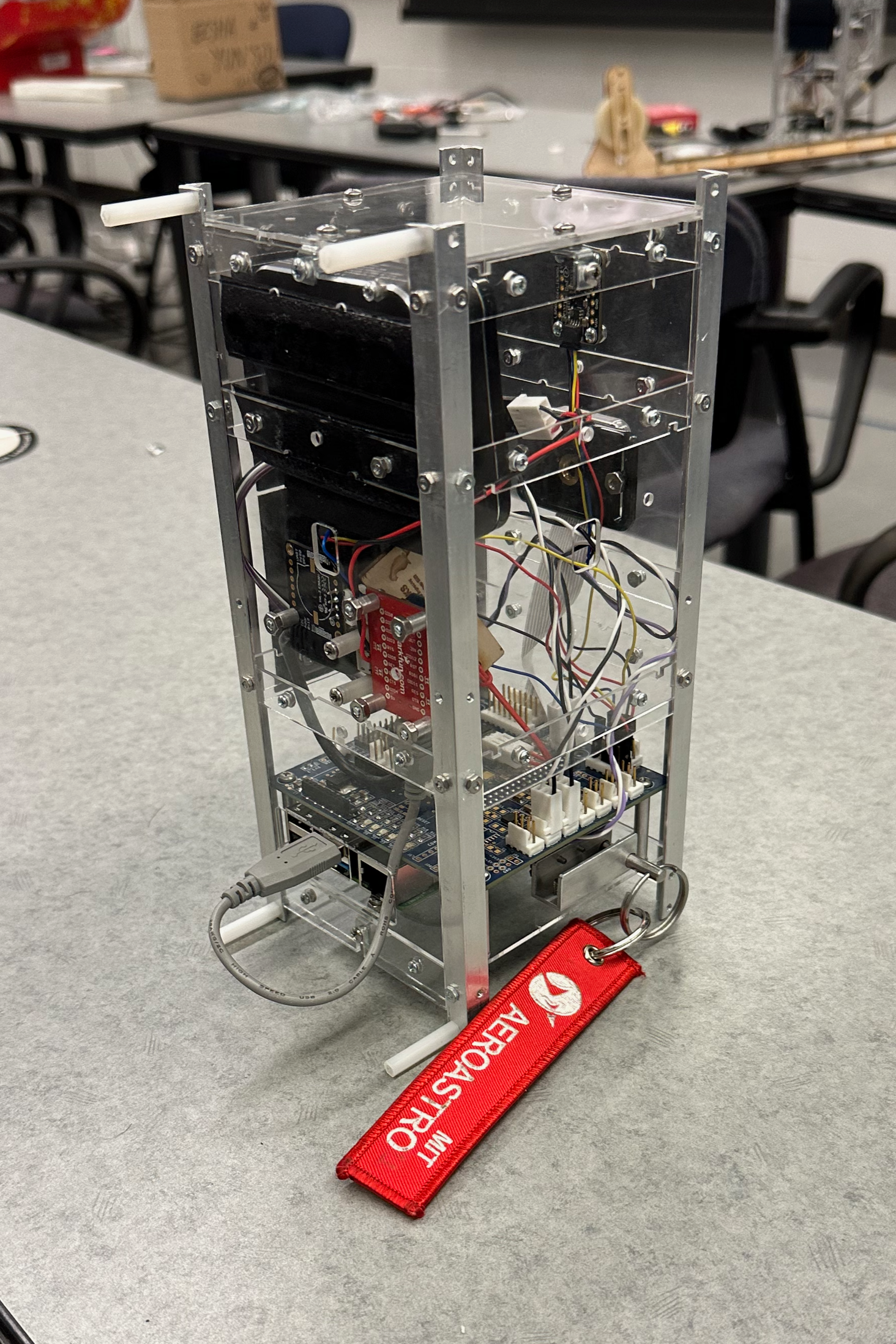
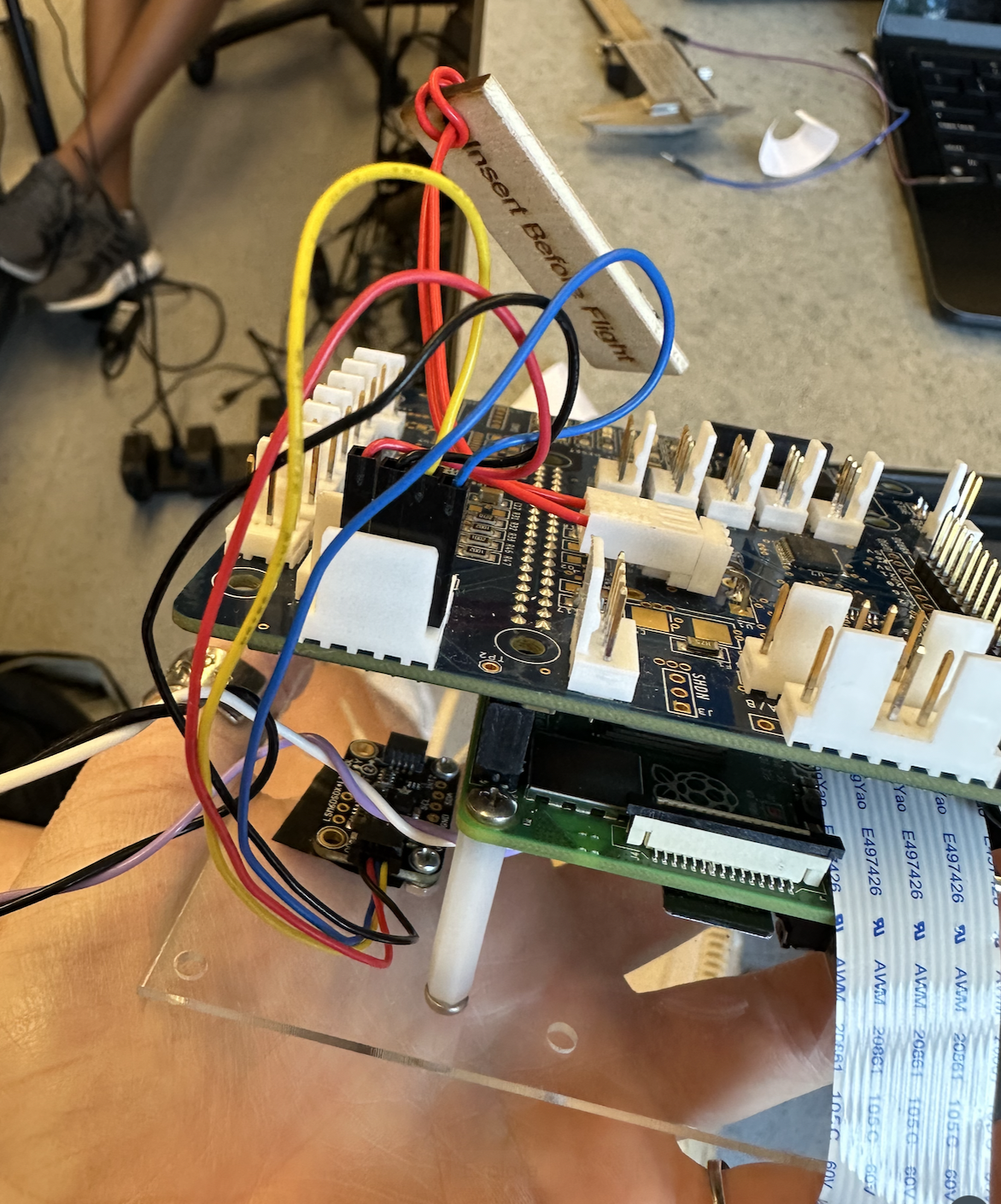
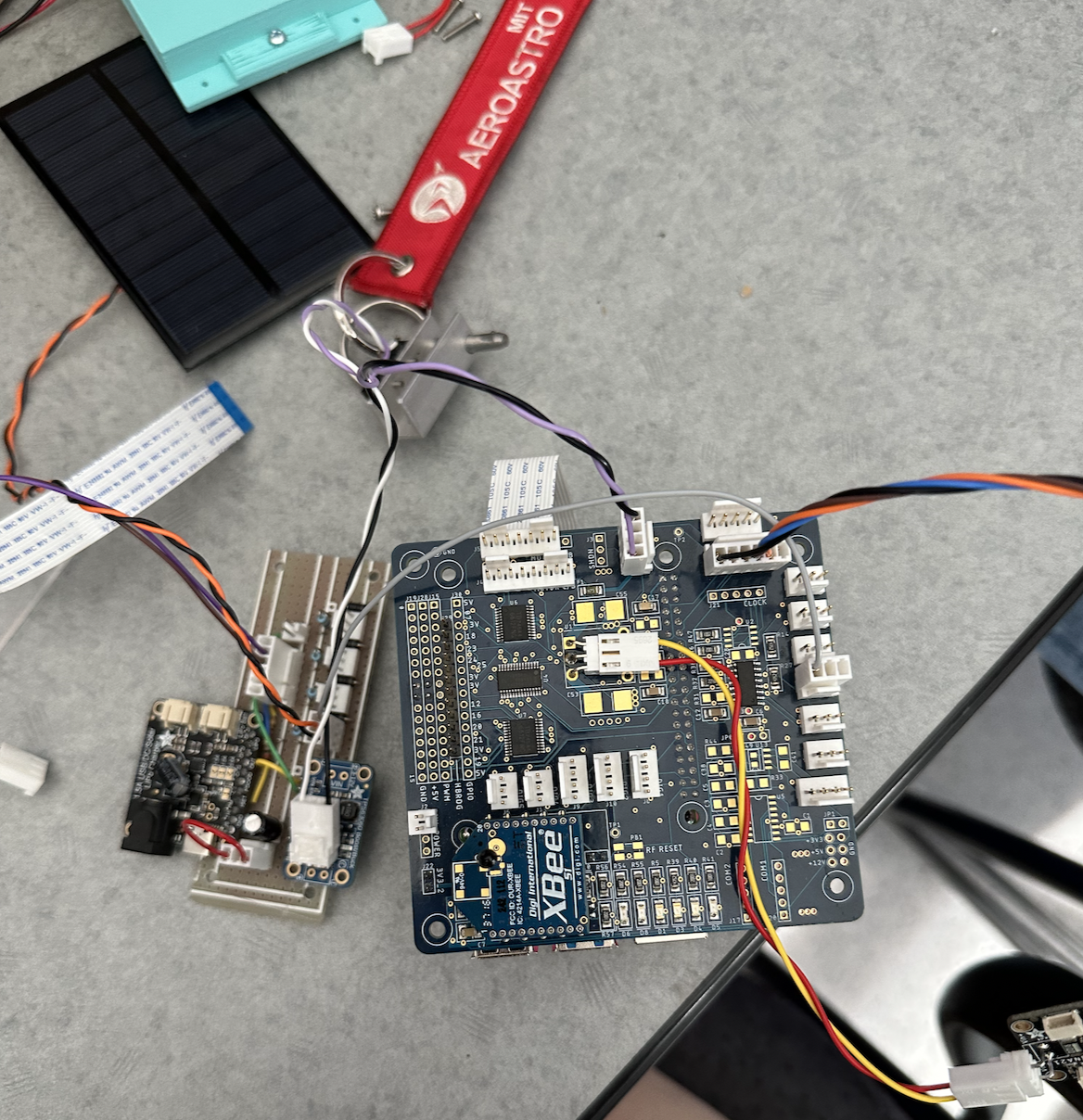
I participated in MIT’s BWSI CubeSat project that simulated an Earth-observation mission focused on nighttime lights, using imagery as a proxy for city growth, activity, and infrastructure. The core challenge was to design a 2U CubeSat that could repeatedly image “CubeCities” (LED city layouts) during multiple zipline “orbital passes,” downlink images and telemetry over XBee, and then quantify each city’s LED color breakdown and average brightness using Python-based image processing. The final system integrated mechanical layout, power/data/link budgeting, and a flight-like software workflow so the satellite could operate autonomously, capture usable images under changing lighting conditions, and turn raw imagery into structured metrics for analysis. Our design earned the program’s Mechanical Design Award.
Date
07/23 - 08/23